JD Power says 35% of passenger screens have never been used
JD Power found 35% of owners never use their passenger screen. Euro NCAP has awarded points for physical controls on nine functions since January.
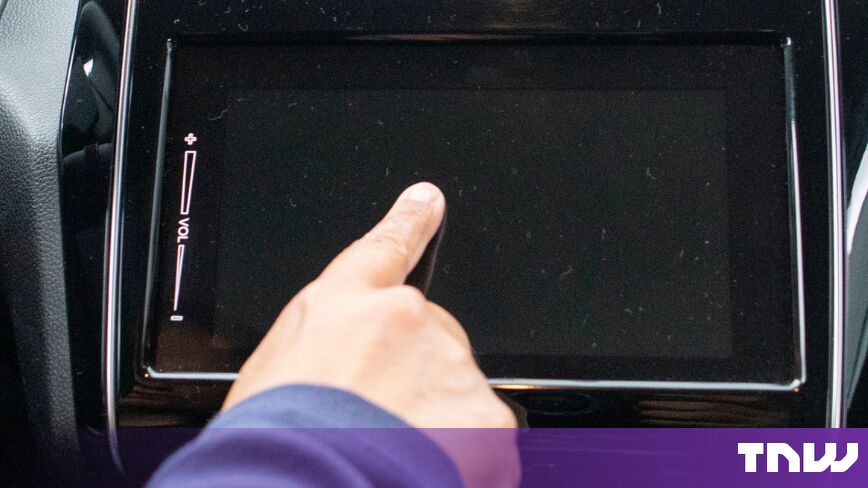
JD Power found that 35% of owners with a passenger screen have never used it and that such systems generate 21.3 problems per 100 vehicles. Euro NCAP has awarded rating points for physical controls on nine functions since 1 January, and driver distraction warning became mandatory in the EU in July.
A third of owners who bought a car with a passenger screen have never used it. JD Power surveyed 68,084 owners and found 35% had never switched it on, InsideEVs reported.
Only 6% use it every time they drive. Not occasionally, and not once on a long trip.
The screens also draw the most complaints. Infotainment systems with passenger screens produced 21.3 problems per 100 vehicles in JD Power’s study.
The dull features scored best. Smart ignition, climate control and driver preferences delivered the highest satisfaction and the fewest problems.
Complexity hurt driver assistance too. Hands-free Level 2+ systems scored lower on experience and execution than hands-on Level 2. The driver retains responsibility under both.
Europe has been pricing this in for two years. The direction was set before the survey landed.
Euro NCAP’s protocol since 1 January awards points for physical controls on nine functions, including turn signals, hazard lights, horn, wipers and the eCall button. Matthew Avery of Euro NCAP has called the overuse of touchscreens an industry-wide problem.
It is a scoring framework rather than a law. Those functions carry five points out of 30 in driver engagement, and a compliant touchscreen can still score.
Two functions were added to the original five, the gear selector and the high beam, both of which had migrated into screens over the past decade. Chinese regulators have separately told carmakers to fix quality rather than add features.
Manufacturers have started conceding the point. Mercedes chief executive Ola Kallenius said the industry as a whole might have gone a little bit too far.
Regulation moved in parallel. Since 7 July every new car registered in the EU needs a system that watches the driver for distraction. It arrived alongside emergency braking that detects pedestrians and cyclists.
That is the shape of the European answer. One rule requires a camera to catch inattention, and the rating scheme rewards removing what causes it.
The pattern runs wider than screens. China is recalling millions of EVs because the emergency door release blends into the trim. The complaint is the same one, that a control disappeared into a surface.
Published September 3, 2026 - 12:15 am UTC
Originally published by thenextweb.com. Syndicated material does not necessarily reflect the views of Glamour Canada.